Oct.2025 29
Views: 345

Learning from Errors: How We Handle Less Qualified and Unqualified Products

Introduction
In this article, we'll walk you through how we handle unqualified products, detailing our robust rework and scrapping process. By the end, you'll have a clearer understanding of how we supervise and monitor product quality at NTP, as well as insight into common carbon rim defects and how they affect overall quality.
Details
At our carbon rim factory, every product flaw is an opportunity for growth. In particular, paintless products—those without a layer to hide imperfections—are critical in driving continuous improvements in our production process. Each less-than-perfect rim teaches us valuable lessons, pushing us to refine both our craftsmanship and quality assurance systems. The ultimate goal? To produce nearly flawless raw rims straight out of the mold.

Less Qualified Products: Focus on Aesthetics

We define less qualified products as those with defects that don't affect the product's functionality but may impact its visual appeal. These imperfections are often purely aesthetic, but they still require attention to ensure that the product meets our high standards.

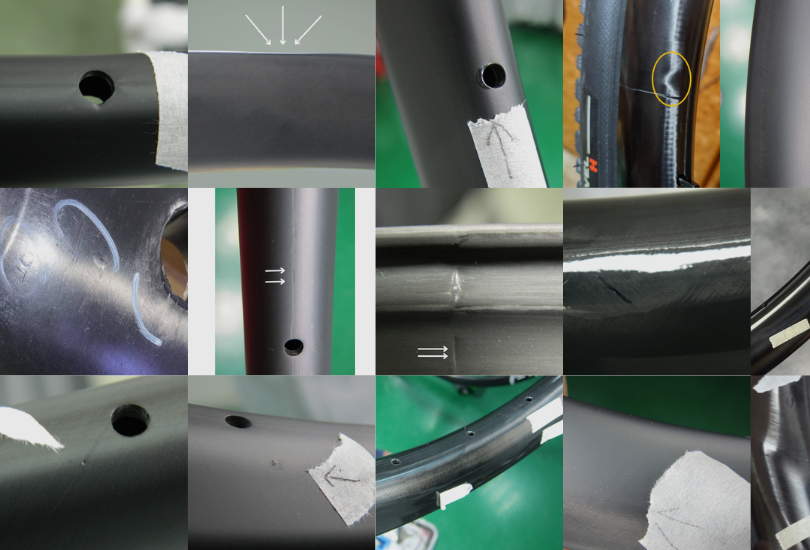
Common Defects in Carbon Rims

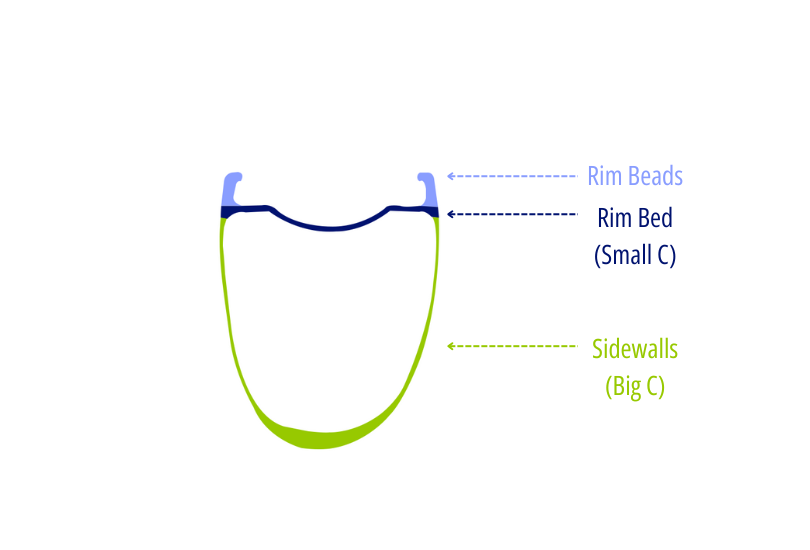
To break things down clearly, we’ll dissect a carbon rim into three main sections: the rim bed (center channel), rim beads, and rim walls. Some manufacturers refer to the rim bed as the "small C" and the sidewall as the "big C" because of their distinct shapes and relative sizes. 


Section Defects Causes
Rim Bed / Center Channel
(Small C)

Overly abraded, scratches and scuffs

Improper sanding paper; lack of experience

Color difference

Excessive sanding; lack of painting expertise

Thick, rough mold parting line

Inadequate sanding; mold wear and aging

Pinholes

Material, layup, molding.

Burrs around spoke holes or deformation (not round); paint accumulation near the hole

Lack of hole treatment and inspection; drill bit wear; excessive paint

Rim Beads Uneven abrasion or insufficient resin coverage on rim beads

[quite complicated] Improper sanding, layup, molding operation; materials

Rough parting line on rim bead edges

Insufficient sanding; mold wear

Rim Walls
(Big C)
Uneven sidewall

Mold wear, material, layup, molding.

Blackened sidewall with no color transition (unless client requests)

Lack of painting expertise

Burrs and paint accumulation near holes

Improper drilling; excessive paint

Mold parting line at holes not smooth

Mold wear; improper treatment

Pinholes

Material, layup, molding.

Paint marks

Residue from release agents or other oily pollutants

Water marks

Environmental moisture exposure

Sand marks

Incorrect sanding materials or technique

Pollutants

Improper mold cleaning or room cleanliness

Decals & Stickers Decal pollution; cracks or peeling

Excessive heat; poor-quality materials; improper treatment


Unqualified Products

Unqualified products are those where defects affect functionality or safety. These flaws are much more serious and require our full attention. Whether a product is raw, partially completed, or a returned unit, we meticulously evaluate how each defect impacts performance before deciding to repair or scrap the item.


Common Flaws & Criteria

Defects Area Failure Criteria
Excessive Abrasion

Overly abrasive rim beads

Rim trueness exceeds 0.5mm

Overly abrasive rim bed/center channel

3+ layers of carbon are affected

Voids

Sidewall voids

Large voids (>1cm) or multiple smaller voids in critical areas

Braking track voids

Any voids detected.

Wrinkles

Waved fibers

Waved fibers exceeding 10% of surface area

Hole Drilling Issues

Incorrect hole dimensions/number/angle or deformed holes

Wrong hole drilling program; improper operation

Our Rigorous Product Rework and Scrapping Process

At NTP, quality control is our top priority. Our rework and scrapping process ensures that all products meet high standards for both aesthetics and functionality. Here’s how we handle less qualified and unqualified products:

Step 1: Identification and Notification
Once a defect is identified, the responsible team records crucial information—such as product model, production date, and quantity—and alerts our QC technician for further assessment.

Step 2: QC Assessment
The QC team evaluates the defects, checking whether they meet our internal scrapping or repair standards. Products marked for disposal are sent to a designated scrapping area, while items that can be salvaged are flagged for rework.

Step 3: Rework or Reproduction
Defective products that can be repaired are sent to the appropriate area for rework, while those deemed unrepairable are scrapped according to our guidelines.

Step 4: Scrapped Product Analysis
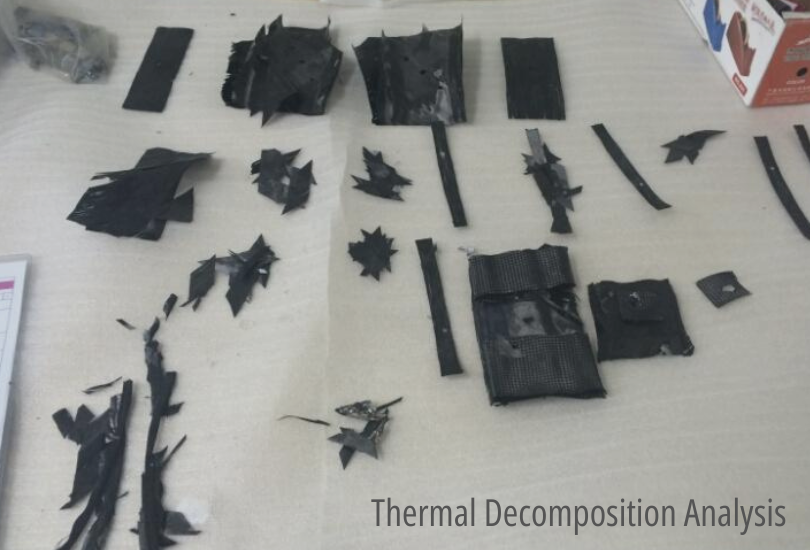
Scrapped products are carefully examined by engineers. We cut and sometimes burn the rims to inspect internal layers, identifying the root causes of the defects. An analysis report with suggested improvements is created and shared with both the QC and production teams.

Step 5: Continuous Improvement
Our engineering and QC teams collaborate to implement improvements based on the scrapping analysis. Regular follow-up ensures that corrective measures are applied effectively.

Step 6: Rework Analysis
At the end of each month and quarter, our QC team reviews the most common defects, shares findings with the engineering and production teams, and adjusts the manufacturing process to reduce rework rates.

Through this meticulous rework and scrapping process, we’re able to maintain consistency and quickly address any abnormalities that arise in production. This attention to detail ensures that we deliver products that meet the highest standards of quality.

If you’d like to learn more about our quality control process or are interested in seeing it firsthand, we invite you to visit us in Xiamen for a factory tour!
Get Your Custom Quote in 24h
Full Name*
Phone No
Email*
Message*
We use Cookie to improve your online experience. By continuing browsing this website, we assume you agree our use of Cookie.